
5 Early Warning Signs of Roof & Terrace Leakage Before Monsoon
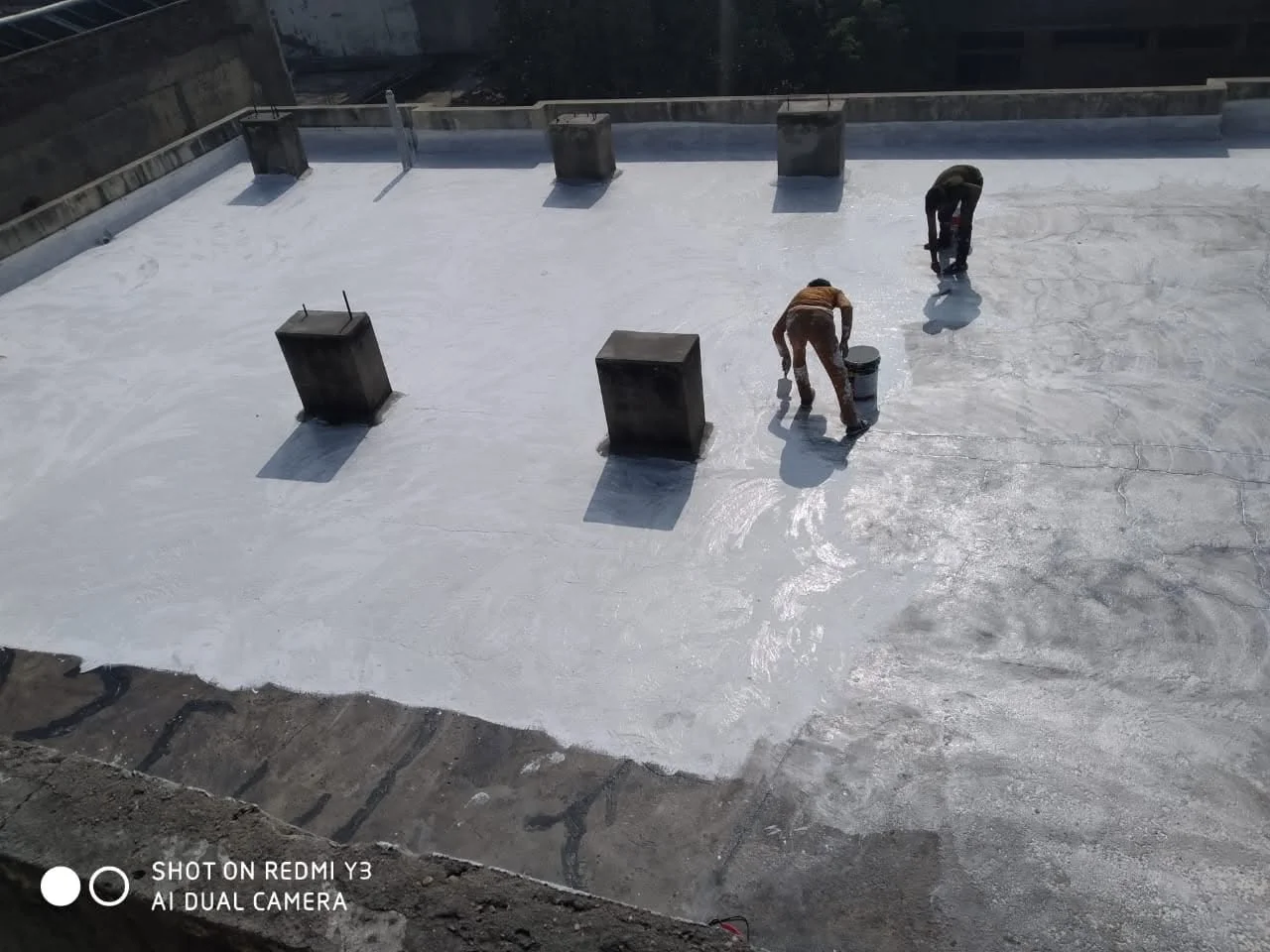
5 Early Warning Signs of Roof & Terrace Leakage Before Monsoon
Don't Wait for the First Rain to Discover a Leakage Problem!
Every year, as the monsoon approaches, many homeowners, building managers and facility managers start worrying about one common problem – roof and terrace leakage.
But here's something worth knowing: your roof usually gives you warning signs before a leakage problem becomes serious. The trouble is that most people ignore these early symptoms, assuming they are just minor cracks, paint issues or normal ageing.
By the time water starts dripping from the ceiling, the damage may already have spread beneath the surface.
Whether you own a residential property, manage a commercial building or look after an industrial facility, identifying these warning signs early can save you considerable repair costs and inconvenience.
At DR Waterlock, we believe that preventive waterproofing is always better than repeated leakage repairs.
Let's look at five warning signs you should never ignore before the monsoon.
1. Damp Patches and Water Stains on the Ceiling

One of the earliest and most common signs of roof leakage is the appearance of damp patches on ceilings.
You may notice:
- Yellowish or brownish stains on the ceiling.
- Dark patches near corners and wall-ceiling joints.
- Paint becoming loose, swollen or discolored.
- Dampness that becomes more noticeable after rainfall.
Sometimes, these patches appear even when there is no visible water dripping.
Why does this happen?
Water may be entering through cracks, damaged waterproofing layers, joints or weak areas on the terrace. It then travels through the concrete slab and gradually becomes visible on the ceiling.
What should you do?
Don't simply repaint the affected area. First, identify the source of moisture and inspect the terrace above it. Applying fresh paint without addressing the underlying leakage problem is usually a temporary cosmetic solution.
2. Cracks on the Terrace Surface

Have you noticed small cracks developing on your terrace floor?
They may look harmless, but they deserve attention.
Terraces are constantly exposed to sunlight, temperature fluctuations, rainwater and structural movement. Over time, these conditions can contribute to cracks in the surface and deterioration of protective waterproofing layers.
Look out for:
- Hairline cracks on the terrace.
- Wider cracks around parapet walls.
- Cracks near water tanks and pipe outlets.
- Cracks along construction joints.
- Cracked or damaged old waterproofing coatings.
Why is this dangerous?
Even a small crack can become an entry point for rainwater. Once water reaches the concrete or underlying layers, it may lead to seepage, dampness and deterioration over time.
What should you do?
Get the cracks inspected by a waterproofing professional. The repair method should depend on the crack's width, depth, location and underlying cause. Simply filling every crack with cement may not provide a lasting solution.
3. Water Stagnation on the Terrace

After a shower of rain, does water remain standing on your terrace for several hours or even days?
This is a warning sign that should not be overlooked.
A properly designed terrace should have an effective drainage arrangement that allows rainwater to flow towards the rainwater outlets.
Watch out for:
- Water collecting in low-lying areas.
- Puddles remaining long after rainfall.
- Blocked or poorly positioned rainwater outlets.
- Uneven terrace slopes.
- Water collecting near parapet walls.
Why does this happen?
Poor slope, blocked drainage outlets or settlement of the surface can result in water stagnation.
Prolonged water accumulation puts unnecessary stress on the waterproofing system. If the waterproofing layer is already damaged or weak, the chances of leakage may increase.
What should you do?
Clean all rainwater outlets and inspect the terrace slope. If water continues to accumulate, consult a professional to assess the drainage and surface levels.
Remember: Waterproofing and proper drainage should always work together.
4. Peeling Paint, Blistering and Damp Walls

Sometimes, the first indication of terrace leakage is not on the terrace itself but on the walls below it.
You might notice:
- Paint peeling off from the walls.
- Bubbles or blisters forming beneath the paint.
- White powdery deposits on the wall surface.
- Plaster becoming weak or flaky.
- Dampness around the upper portions of rooms.
The white powdery deposits are often called efflorescence. They develop when moisture moves through masonry and brings dissolved salts to the surface.
Why does this happen?
Water may be entering through terrace-wall junctions, parapet walls, cracks or other exposed surfaces. Moisture then travels through the building materials and affects the internal plaster and paint.
What should you do?
Don't rush into repainting the walls. Identify whether the moisture is coming from the terrace, external walls, plumbing or another source. Treating the actual source is essential before carrying out internal repair and painting.
5. Old, Damaged or Bubbling Waterproofing Layer
If your terrace has already undergone waterproofing, that doesn't mean it will remain protected forever.
Every waterproofing system has a service life, which depends on the material used, application quality, surface preparation, exposure conditions and maintenance.
Inspect your existing waterproofing layer for:
- Peeling or detached coating.
- Bubbling or blister formation.
- Visible cracks in the coating.
- Exposed fibre mesh or damaged protective layers.
- Patches where the coating has become unusually thin or worn out.
Why is this important?
A damaged waterproofing layer may no longer provide the protection it was designed to offer. Applying another coat without understanding the condition of the existing system may not solve the problem.
What should you do?
Get the existing waterproofing system inspected. Depending on its condition, you may need localised repairs, surface preparation or a complete waterproofing treatment.
A professional assessment helps determine the right solution rather than spending money on repeated temporary repairs.
When Should You Get Your Terrace Inspected?
The best time to inspect and repair your terrace is before the monsoon begins.
Ideally, schedule a professional inspection several weeks before the expected rainfall so that there is sufficient time for surface preparation, repairs, application and curing of the waterproofing system.
Here is a simple pre-monsoon checklist:
- Check the terrace for cracks.
- Look for damp patches on ceilings and walls.
- Clean rainwater outlets and drainage pipes.
- Check parapet walls and terrace-wall junctions.
- Inspect the existing waterproofing coating.
- Look for water stagnation and drainage problems.
- Get professional advice if you notice any warning signs.
Can These Problems Be Prevented?
Absolutely! Although every building has different waterproofing requirements, regular inspection and timely maintenance can help prevent many common leakage problems.
A good waterproofing solution is not simply about applying a chemical coating to the terrace.
It involves understanding the surface condition, identifying the source of leakage, selecting the right waterproofing materials and following the correct application process.
At DR Waterlock, we focus on professional waterproofing solutions backed by experienced applicators, quality chemicals and site-specific treatment methods.
Our services include:
- Terrace and roof waterproofing.
- Bathroom and toilet waterproofing.
- Industrial and commercial building waterproofing.
- Crack treatment and leakage repair.
- Waterproofing consultancy and site inspection.
- Specialized waterproofing chemical solutions.
We work with homeowners, builders, architects, hotels, hospitals, factories and institutional clients.
Don't Wait for the First Rain!
A small crack today can become a major leakage headache tomorrow.
If you have noticed damp patches, terrace cracks, peeling paint or water stagnation, this is the right time to get your property inspected.
Let DR Waterlock help you prepare your building before the monsoon arrives.
DR WATERLOCK – Waterproofing Experts
📍 Head Office: Jaipur, Rajasthan
📞 Call us: 9119195409
🌐 Website: https://www.drwaterlock.in
📩 Email: drwaterlock@gmail.com
Get your terrace inspected today. Because a leak-free building starts with the right waterproofing.
About DR Waterlock
DR Waterlock is a Jaipur-based waterproofing solutions company specialising in professional waterproofing applications and construction chemical solutions. With experienced applicators and a focus on site-specific treatment methods, we help residential, commercial and industrial clients protect their buildings against water seepage and leakage.
Ankit Dugar
Founder, DR Waterlock